
C O V E R A G E
Utah’s public agencies serve their communities every day. Our coverage — from Public Officials E&O to Liability, Auto, Property, and Workers’ Compensation — is built around the real demands of local government. As a member-focused risk pool, we deliver dependable protection and sustainable rates for the long term.
Built for Local Government
Comprehensive Liability Coverage
-
A. What It Is
General liability coverage protects your agency when someone claims injury or property damage related to your operations. It covers defense costs, settlements, and judgments.B. Why It Matters
Local governments provide essential services every day — from roads and utilities to parks and public safety. This coverage protects your financial stability when unexpected incidents occur and supports public confidence in your operations. Through the Trust, it includes general liability, auto, law enforcement liability, public officials’ E&O, and more — plus risk management support to help reduce claims.C. What It Costs
Cost is based on your agency’s size, services, claims history, assets, and coverage choices. As a member-focused pool, rates are designed for fairness, stability, and long-term sustainability.
Commercial Property Coverage
-
A. What It Is
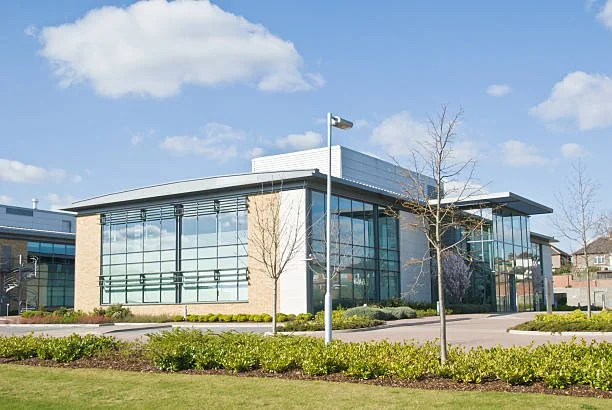
Commercial property coverage protects the buildings and physical assets your agency relies on — including structures, equipment, and contents. It provides funds to repair or replace property damaged by fire, theft, vandalism, weather, or other covered events.B. Why It Matters
Public buildings and infrastructure are essential to serving your community. Property coverage protects these assets, supports financial stability, and helps restore operations quickly after damage.C. What It Costs
Cost depends on property value, location, building characteristics, claims history, and the coverage limits and deductibles selected.D. How We Keep Values Current
The Trust partners with a third-party appraisal firm to regularly assess building values and adjust them annually to reflect current construction and labor costs.
Commercial Auto Coverage
-
A. What It Is
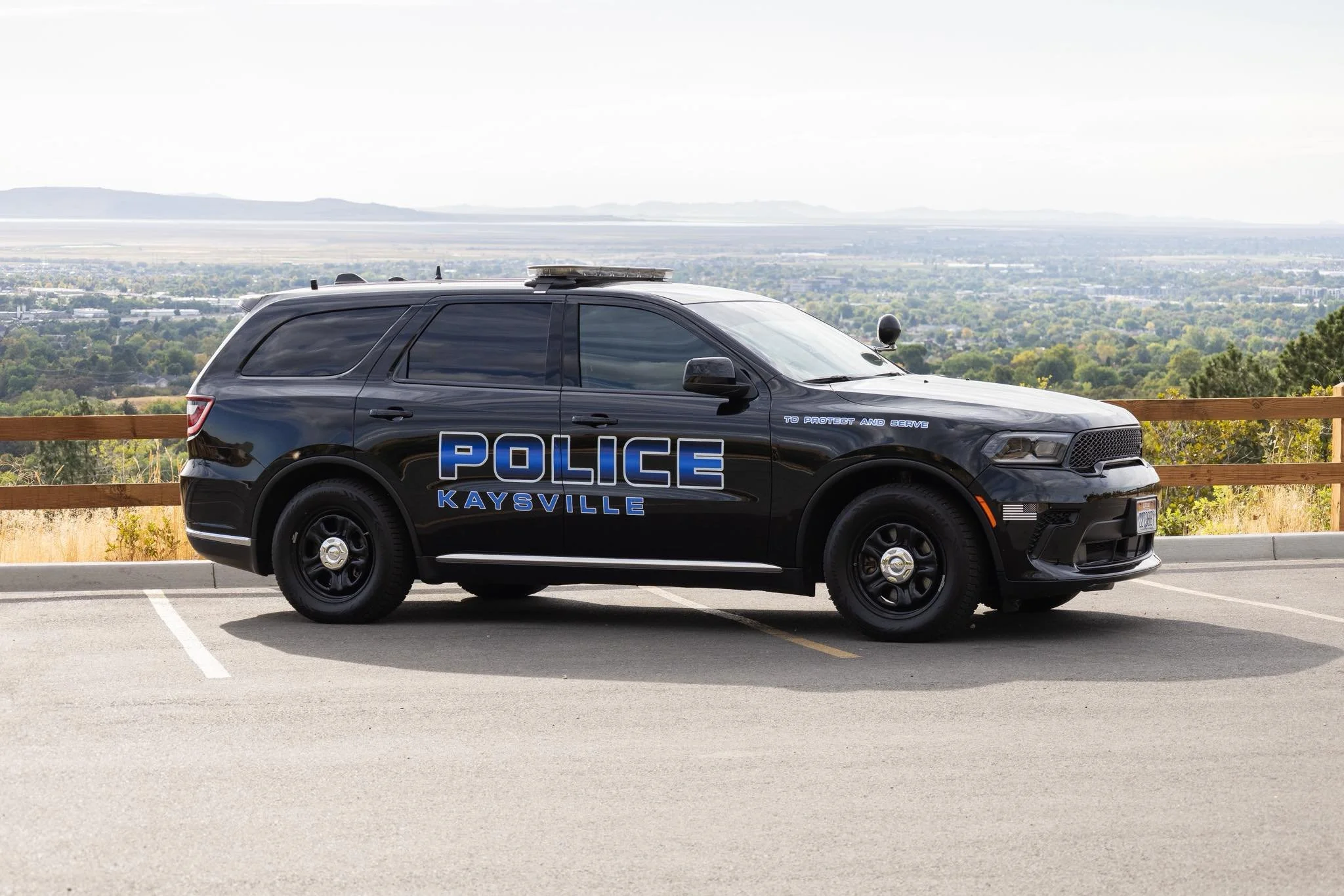
Auto physical damage coverage protects your agency’s vehicles from loss or damage caused by collision, theft, vandalism, fire, weather, or other covered events. It helps pay to repair or replace vehicles, subject to policy limits and deductibles.B. Why It Matters
Local governments rely on vehicles every day — for public works, utilities, inspections, public safety, and more. When a vehicle is damaged, services can be disrupted and budgets strained. This coverage protects your fleet, supports continuity of operations, and helps your agency recover quickly after a loss.C. What It Costs
Cost depends on the number and type of vehicles, their value and age, how they are used, driving history, claims experience, coverage limits, and deductibles. Larger fleets or higher-risk operations generally result in higher premiums.D. How Losses Are Valued
Vehicles may be covered at replacement cost (for newer vehicles), actual cash value (market value at time of loss), or an agreed value established in advance. The valuation method determines how much is paid if a vehicle is damaged or totaled.
Workers Compensation
-
A. What It Is
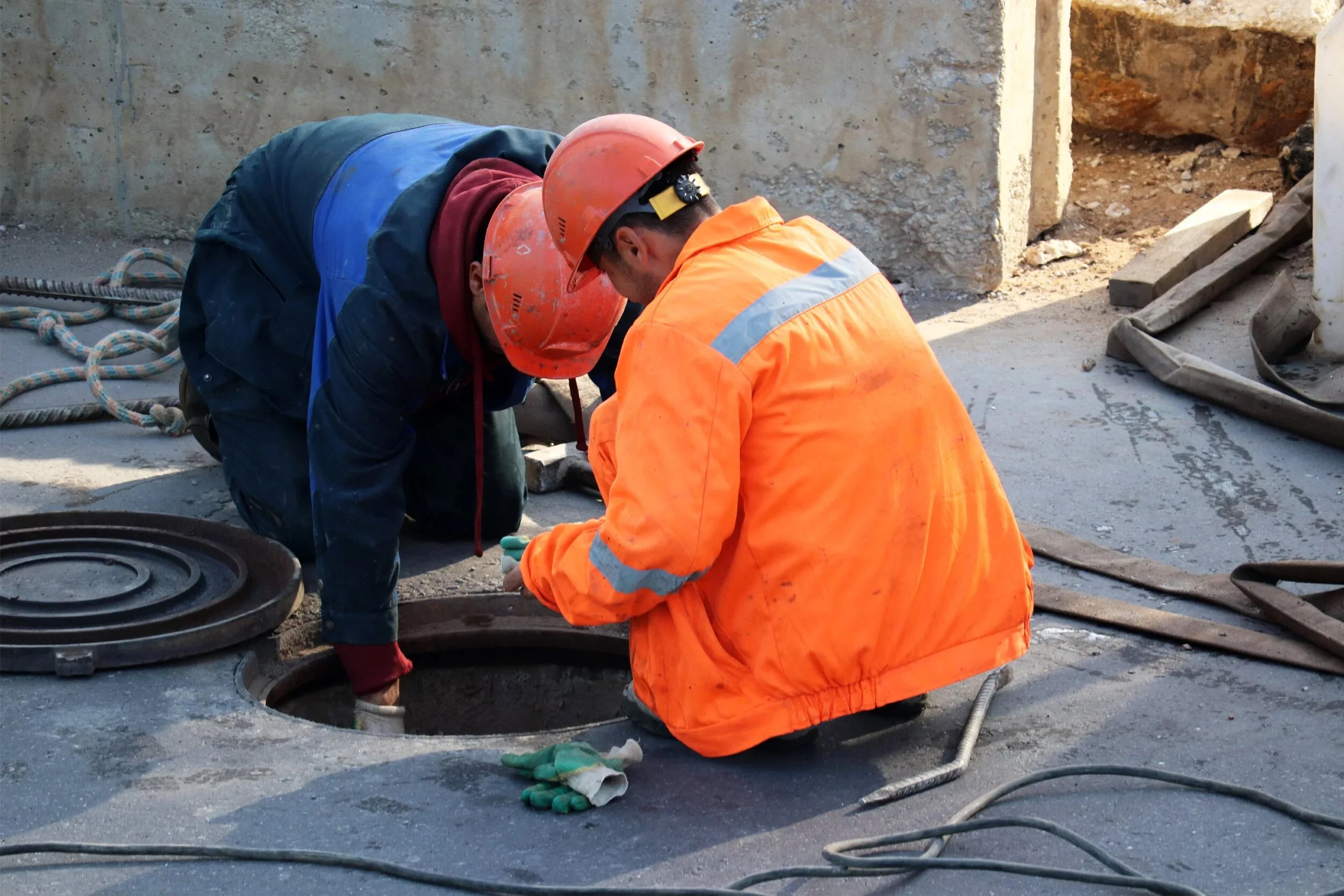
Workers’ compensation provides medical and wage benefits to employees injured on the job. It also includes employer’s liability protection, which helps defend your agency if legal action arises from a work-related injury.B. Who Needs It
Utah law requires government agencies and employers with employees to carry workers’ compensation coverage. Sole proprietors may apply for a waiver through the Utah Labor Commission.C. What It Costs
Premium is based on payroll size, type of work performed, claims history, and job classifications set by the state. Safer operations and strong claims management can help control long-term costs.D. What Counts as Payroll
Payroll generally includes wages, overtime (at straight-time rate), bonuses, commissions, paid leave, and certain allowances or benefits tied to compensation. It typically excludes tips, verified expense reimbursements, employer-paid benefit contributions, severance pay, and certain special allowances.Because payroll directly impacts premium calculations, accurate reporting is essential.
Specialty Coverage
-
A. What It Includes
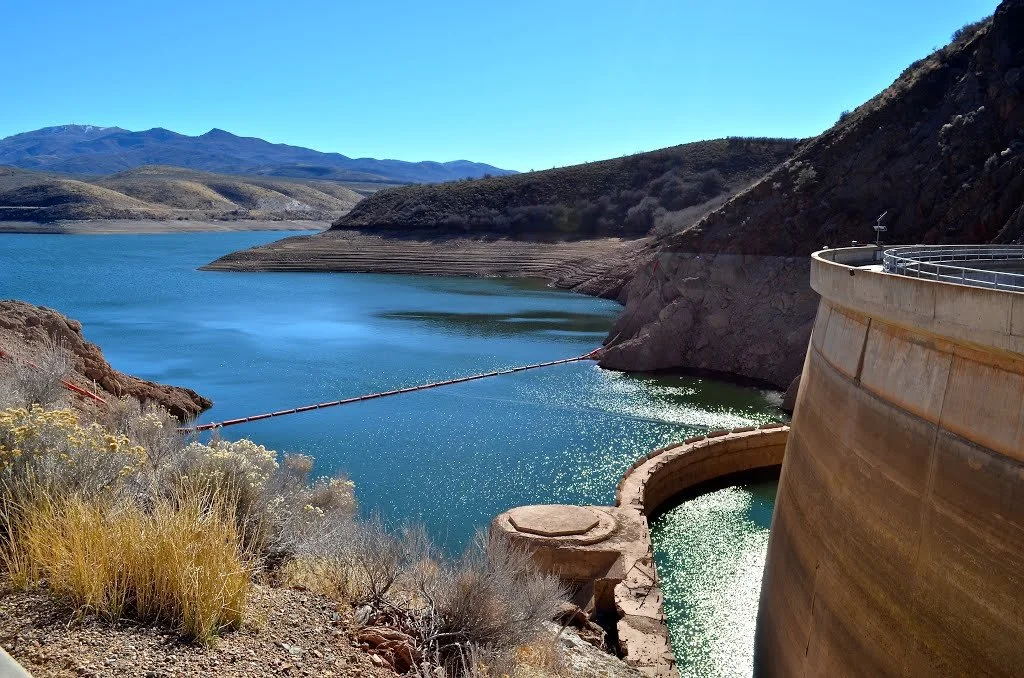
Beyond core liability, property, and workers’ compensation, the Trust offers specialized protection for unique public risks — including excess liability, law enforcement liability, professional and healthcare liability, earthquake and flood, cyber security, pollution, dams, power generation, airport liability, crime, bonds, storage tanks, special events, and more.B. Why It Matters
Public entities face exposures that standard policies do not always address. Specialty coverage fills those gaps — protecting critical infrastructure, specialized operations, and emerging risks so your agency can operate with confidence.C. How It Supports Your Agency
Through our medical brokerage services, we also help agencies navigate employee health benefits — working with major providers to secure medical, dental, vision, life, disability, HSA, FSA, and other supplemental coverage. This integrated approach simplifies insurance management and strengthens overall risk protection.